Hoof Care Basics and Farrier Schedules for Horses
Learn daily hoof care habits, how often horses typically need a trim or shoes, what affects the farrier schedule, and the warning signs worth a call to a pro.
"No hoof, no horse" is one of the oldest sayings in the barn, and it has lasted because it is true. A horse's feet carry its entire weight, absorb concussion at every stride and help pump blood back up the legs. Good hoof care is a partnership between you, who see the horse every day, and your farrier and veterinarian, who bring the training and tools. This guide covers the everyday habits that owners can handle, how farrier schedules are usually set, and the signs that mean you should call a professional sooner rather than later.
A quick tour of the hoof
Knowing a few basic parts makes it much easier to talk with your farrier and to notice changes.
- Hoof wall: the hard outer layer you see when the horse is standing. It grows down from the coronary band at the top of the hoof, much like a fingernail.
- Sole: the slightly concave underside of the hoof, which protects the sensitive structures above it.
- Frog: the rubbery, V-shaped structure in the back half of the sole. It helps with grip and shock absorption.
- White line: the junction between the wall and the sole, visible as a pale band on a freshly trimmed foot. It is a common entry point for infection.
- Heel bulbs: the soft rounded areas at the back of the foot above the heels.
Daily hoof care for owners
Daily care takes a few minutes and is the best early warning system you have.
Pick out the feet
Ideally pick out all four feet once a day, and before and after riding. Work from heel to toe with a hoof pick, clearing packed bedding, mud and stones from the sole and the grooves on either side of the frog (the collateral grooves). Be gentle around the frog itself. It also teaches young horses to lift their feet calmly.
Look, smell and feel
- Look for cracks, chips, stones lodged in the sole, a shoe that has shifted, or nails that have risen.
- Smell for the strong, unpleasant odor and black, crumbly material that often goes with thrush, a common bacterial infection of the frog.
- Feel the hoof wall with the back of your hand. Get to know what is normal for your horse; noticeable heat in one foot compared with the others, or a strong pulse at the back of the fetlock, is worth reporting to your vet.
Manage the environment
Hooves do best with a balance between wet and dry. Constantly standing in mud or wet, dirty bedding softens the horn and encourages thrush, while very dry, hard conditions can lead to brittle, cracking walls. Clean stalls regularly, provide a dry area in muddy paddocks, and pay attention around water troughs and gateways where mud builds up.
How often does a horse need the farrier?
Hooves grow continuously, typically at roughly a quarter to three eighths of an inch (about 6 to 10 mm) per month, and often faster in warm weather and on good nutrition. As the wall grows, the angles of the foot slowly change and the toe gets longer, which alters how the leg is loaded. Regular trimming keeps the foot balanced.
| Situation | Commonly used interval |
|---|---|
| Barefoot adult horse, normal hoof growth | About every 6 to 8 weeks |
| Shod horse | About every 5 to 7 weeks |
| Foals and young horses | Often every 4 to 6 weeks, as advised by the farrier or vet |
| Horses with specific hoof or conformation issues | As set by your farrier and vet, sometimes shorter |
These are general ranges, not rules. Your farrier will adjust the interval to your horse's growth rate, workload, terrain and hoof quality. Many owners find it easiest to book the next appointment before the farrier leaves, so visits do not slip from six weeks to ten.
Shoes or barefoot?
There is no single right answer. Many horses live and work comfortably barefoot, especially on softer ground or with hoof boots for rough terrain. Others need shoes for protection, traction or support because of their workload, the surfaces they work on or their individual feet. This is a decision to make with your farrier, and with your vet if there is any lameness or a medical hoof condition involved.
What affects hoof health
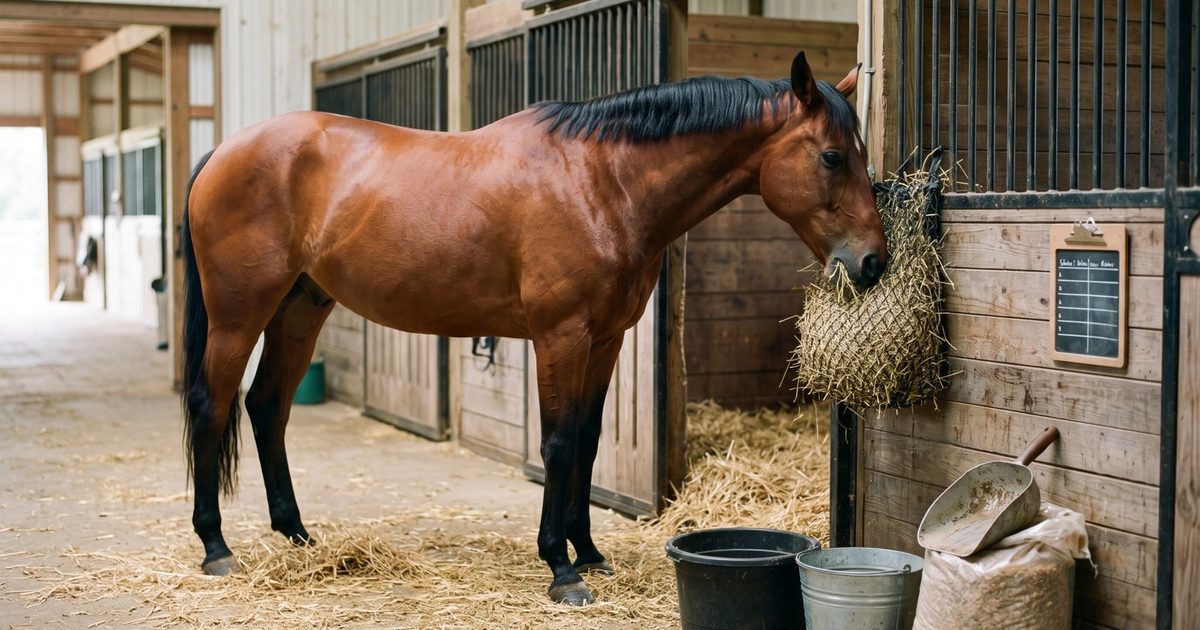
- Nutrition: a balanced diet with good quality forage and appropriate protein, vitamins and minerals supports healthy horn growth. Ask your vet or an equine nutritionist before adding hoof supplements, and remember that new horn takes many months to grow down to the ground. Our feeding plan guide explains the basics.
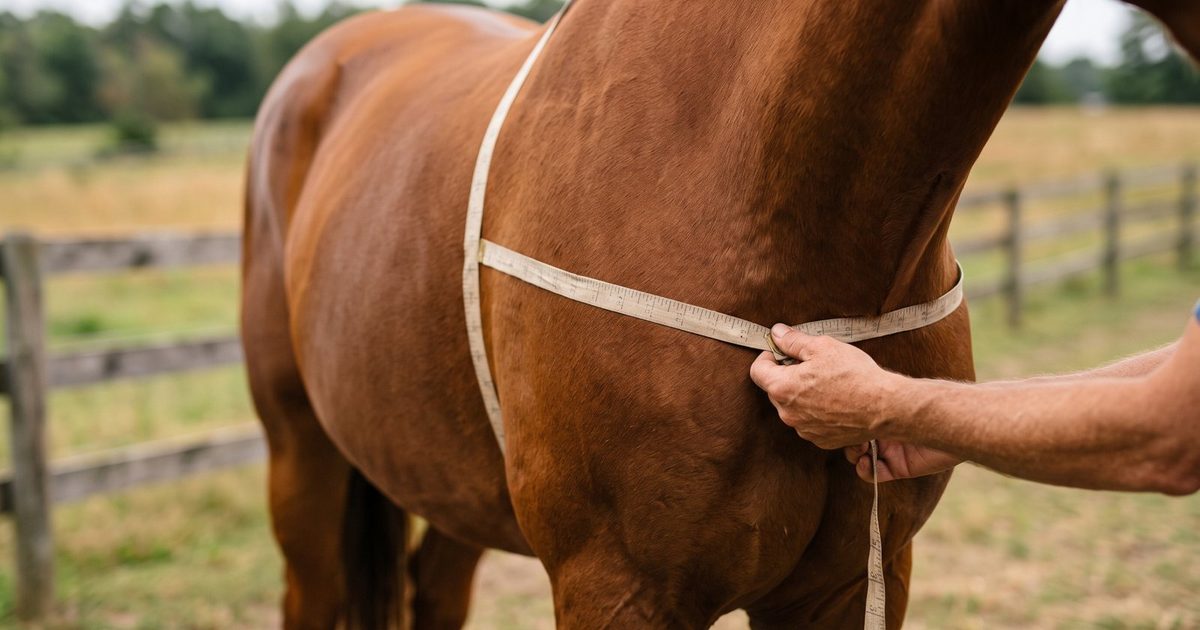
- Body weight: excess weight puts extra load on the feet and is linked with a higher risk of some serious hoof problems. Track it regularly with the horse weight calculator.
- Exercise: regular movement improves circulation within the foot.
- Genetics and conformation: some horses simply have tougher feet than others, and limb conformation affects how the hoof wears.
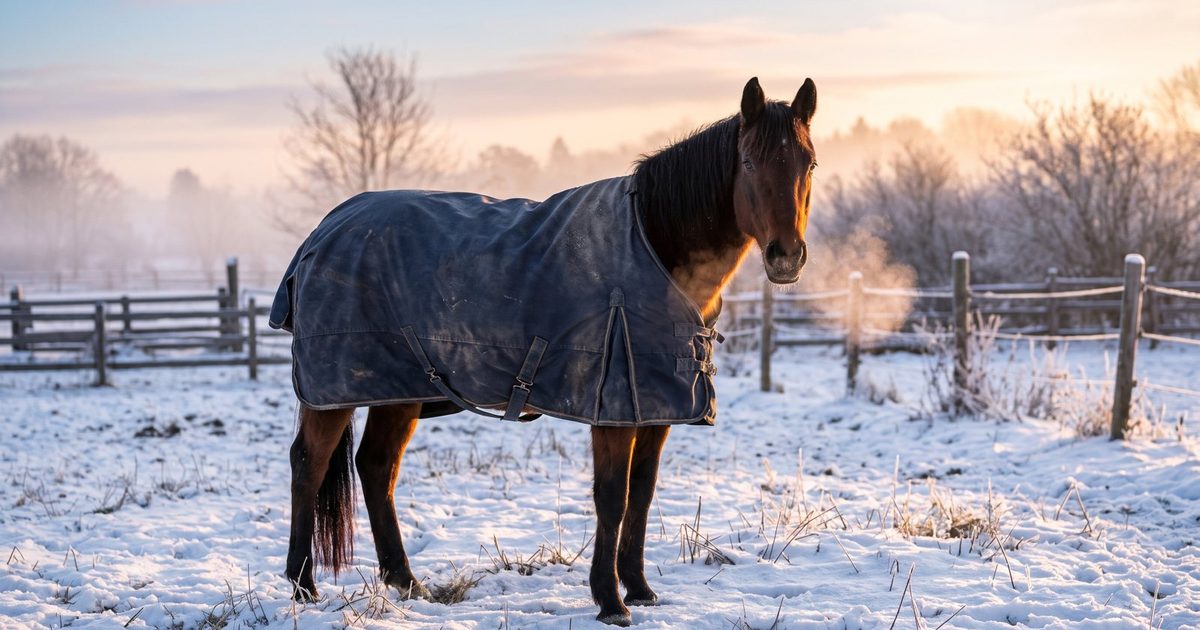
- Season: wet winters and dry summers both bring their own challenges; see our winter preparation guide.
Warning signs: when to call a professional
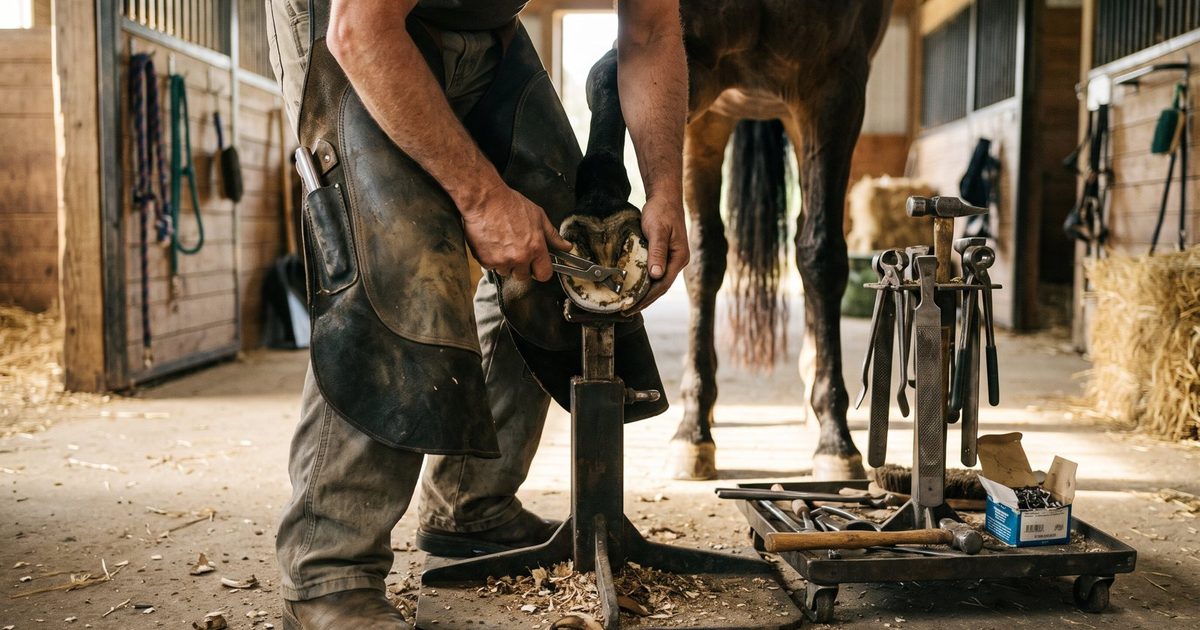
Call your farrier for a lost or loose shoe, a shoe that has shifted, risen clenches (nail ends) that could cut the opposite leg, or long, chipping feet between visits.
Call your veterinarian promptly if you notice any of the following:
- Lameness, a short or stilted stride, or reluctance to walk on hard ground
- The horse shifting weight constantly, rocking back onto its heels or reluctant to move
- Noticeable heat in one or more feet or a strong digital pulse
- A nail or sharp object in the foot (if possible, leave it in place and call the vet right away, as its position can matter for diagnosis)
- Swelling, discharge or a crack that bleeds or reaches the coronary band
Some hoof conditions, such as laminitis and abscesses, can become serious or extremely painful quickly. Do not wait for the next routine farrier visit if you are worried.
Budgeting for hoof care
Farrier costs vary widely by region, the type of work and whether shoes are needed. As a simple example, if a barefoot trim costs 50 and your horse is trimmed every 7 weeks, that is about 365 ÷ 49 ≈ 7.4 visits, or roughly 370 per year. A set of shoes every 6 weeks at 180 per visit would be about 8.7 visits and roughly 1,560 per year. Add your own local prices to the feed cost calculator as a monthly figure to see the full picture.
Be a good farrier client
- Have the horse caught, reasonably clean and with dry legs before the appointment.
- Provide a flat, dry, well lit area out of the wind and away from distractions.
- Share changes in workload, lameness or behavior since the last visit.
FAQ
Can I trim my own horse's hooves?
Trimming well takes training and practice, and mistakes can cause lameness. Most owners should leave trimming to a qualified farrier and focus on daily picking and monitoring.
Do hoof oils and dressings help?
Opinions differ, and they do not replace good nutrition, regular trimming and a sensible balance of wet and dry conditions. Ask your farrier whether a product suits your horse's feet.
How long does it take a hoof to grow out completely?
The wall grows from the coronary band to the ground in roughly 9 to 12 months for many adult horses, a little faster at the heels, which is why changes in hoof quality take time to show.
What is thrush and how do I prevent it?
Thrush is a common bacterial infection of the frog that thrives in wet, dirty conditions. Daily picking and clean, dry footing are the main prevention steps; ask your vet or farrier how to manage a case.